
Mid-winter is an ideal time to take stock of how well your trap line is working and think about maintenance and placement of traps. With the cold wet weather many traps, especially the DOC 200s, get quite grubby and accumulate lots of debris inside the trap. It is a good idea to give these a good clean up – making sure the trap is not set - and ensure the springs and trap mechanism are functioning well. Clean off the plate and check that the tongue engages effectively with the notch, so the trap remains set safely. Equally the Timms and Flipping Timmy traps often have the ropes used for setting the trap start to fray after a period of time. Replacing these with a strong but thin (3mm Utility cord) multistrand rope (Bunnings or Mitre 10 have them), makes the resetting much easier.
It is also important to make sure that the ground where the trap is situated is flat and firm. If the trap is able to move or rock when a pest interacts with it (especially mustelids), they will get spooked and not enter the trap. It is worth spending time on this placement as it will help increase capture numbers.
Did you know there is a huge amount of data on the TrapNZ website to help assist you in working out how effective your individual traps are? You can go onto the website, look in your project and then go to reports and look at Trap Records. This will allow you to filter by line, trap, species, date and amount caught etc. If an individual trap has not caught anything for the last 6 months, it is definitely time to consider moving it. We can assist in accessing this data if you wish.
Remember keeping placement quite close to tracks or walkways is preferable as predators will also follow these pathways in their hunt for food. Pushing the trap too deep into the bush will not necessarily improve the capture chances. However, this needs to be balanced with making sure the placement is not too obvious for the public, to reduce chances of theft or interference with traps.
If you have any issues with your traps, please get in touch with one of the Huka Trapping committee and we can assist in the maintenance or replacement of parts as required.
The committee is:
Stu Hutchings: 0274 787901,
Graeme Usher: 0274 732479,
Graeme Lindup: 027 2424842,
Frank Pavitt: 0274 141410,
Paul Carpenter: 021 02564843
In one of our previous newsletters we provided links to many tips and tricks for catching predators. These can still be referenced via the link https://www.biketaupo.org.nz/trapper-blog/tips-and-tricks-for-trapping
One other single place to check out for a multitude of tips and tips for trapping information is at the predator Free 20250 website: https://predatorfreenz.org/research/guides/
Did you know that our predators can jump up significant heights. This is something to consider when deciding how high to set you trap on a tree. It also shows that our native birds are at risk in places where we often believe they are safe.
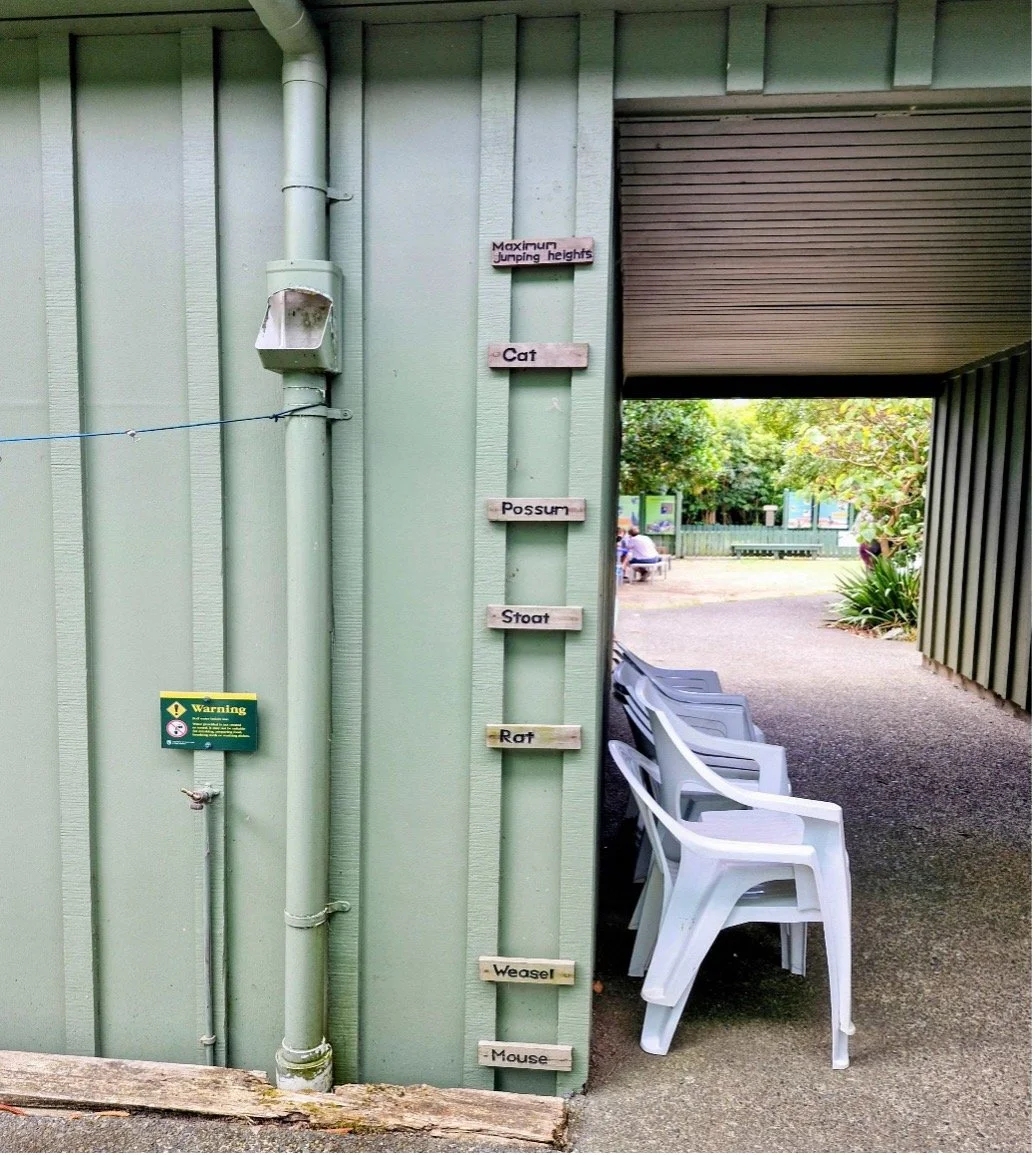
Picture showing various heights that different predator species can jump.